About the Marine Biodiversity Museum
A living archive of India's marine heritage, built on decades of research, preservation, and a commitment to sharing knowledge with both the scientific community and the general public.
Heritage & Formation
The foundation of the CMFRI Marine Biodiversity Museum lies in the extensive research activities initiated in 1947 at Mandapam, Tamil Nadu. As researchers consistently explored India's vast marine ecosystem, they meticulously collected and preserved specimens for ongoing study. These early reference collections laid the groundwork for what would later develop into a dedicated Marine Biodiversity Museum.
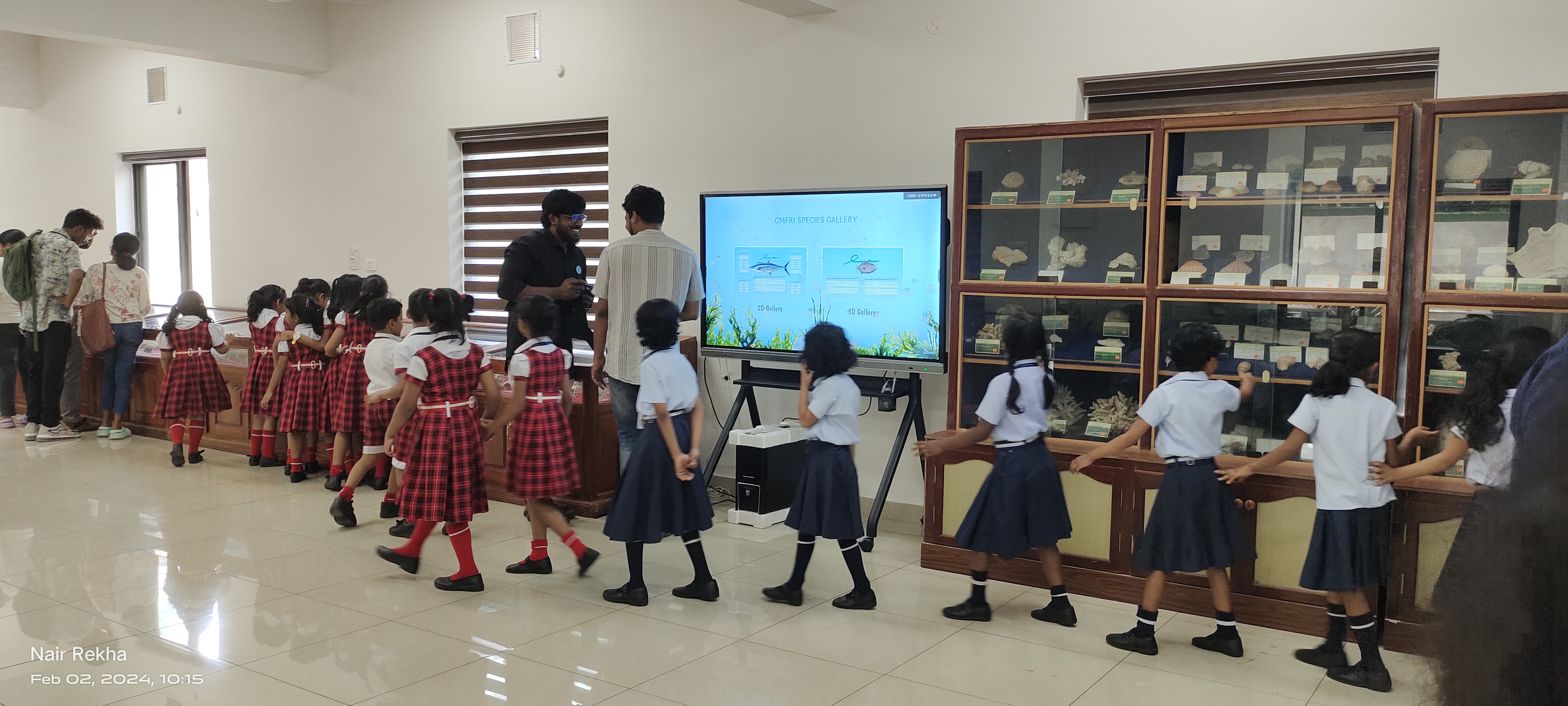
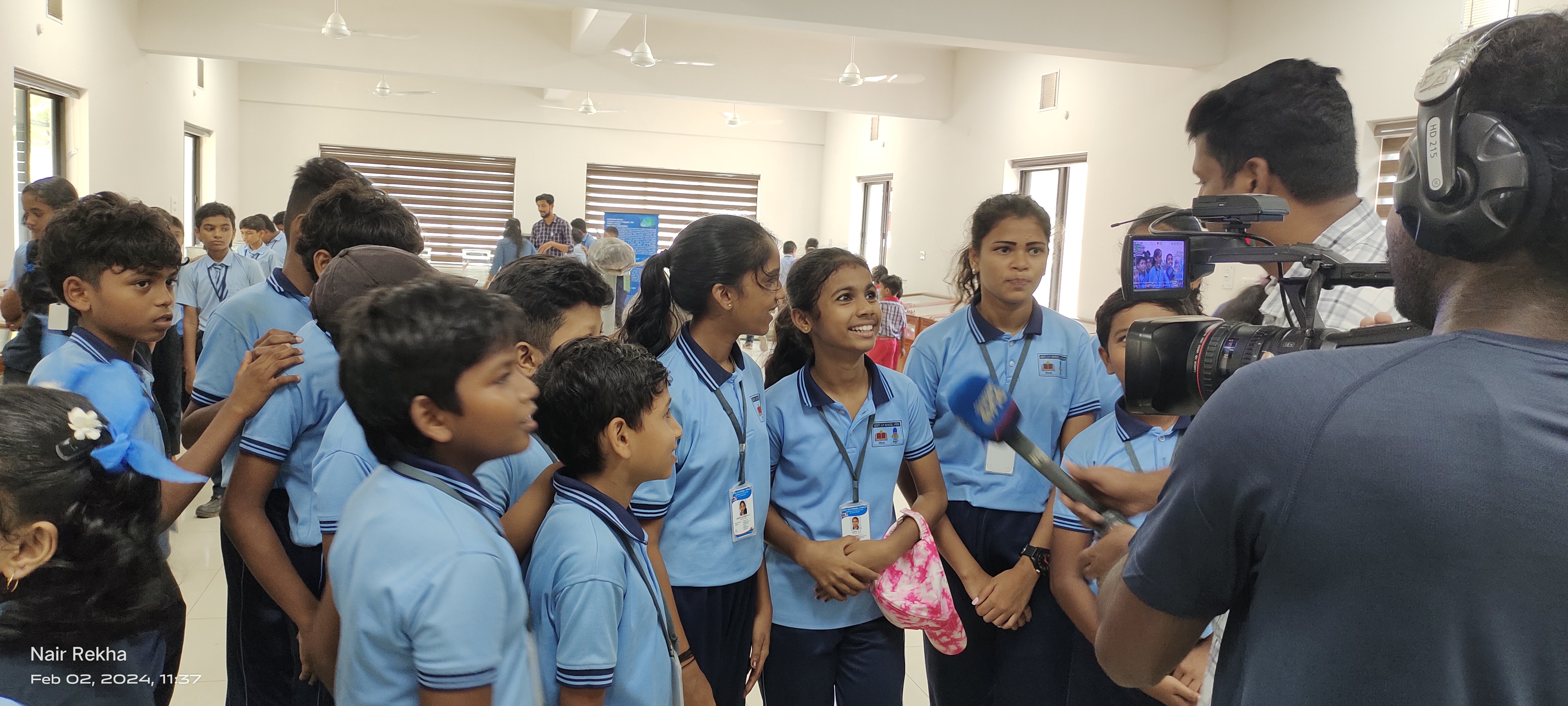
In 1971, to enhance infrastructure and accessibility, CMFRI shifted its headquarters to Kochi, Kerala. Part of the invaluable specimen collections were safely relocated alongside the Institute, marking a pivotal phase in the facility's growth. Once at Kochi, the museum expanded significantly, vastly enriching its holdings while opening its doors to allow the broader public to appreciate the rich marine biodiversity of the sub-continental seas.
Evolution & National Importance
Decades of exponential growth and preservation efforts formally culminated with the inauguration of the new Marine Biodiversity Museum on 4 February 2006 by Padma Vibhushan Prof. M. S. Swaminathan. Shortly after, a significant turning point occurred in December 2007 when the Institute was officially designated as a 'National Repository' (DNR) by the Government of India under the Biological Diversity Act.
This official status authorized the secure preservation of diverse categories of biological specimens, powerfully elevating the global importance of the collection. Recently, to address official exigencies, the museum was smoothly shifted to its present annex building in 2021. The delicate shifting of these specimens took over two years to complete, ensuring the absolute integrity of every scientific display.
Administration & Resources
The essential day-to-day activities and public programs of the Museum are efficiently managed by a dedicated Scientist-in-Charge, alongside two Technical Staff members and a Multi-Tasking Staff member, all operating cohesively under the Marine Biodiversity and Environment Management Division. Financial backing for operations is fully supported by the Institute's resources, with all revenue generated from ticketing and souvenir sales respectfully paid back into the core ICAR fund to ensure long-term sustainability.
2,790
Total Protected Specimens
The Present Collection
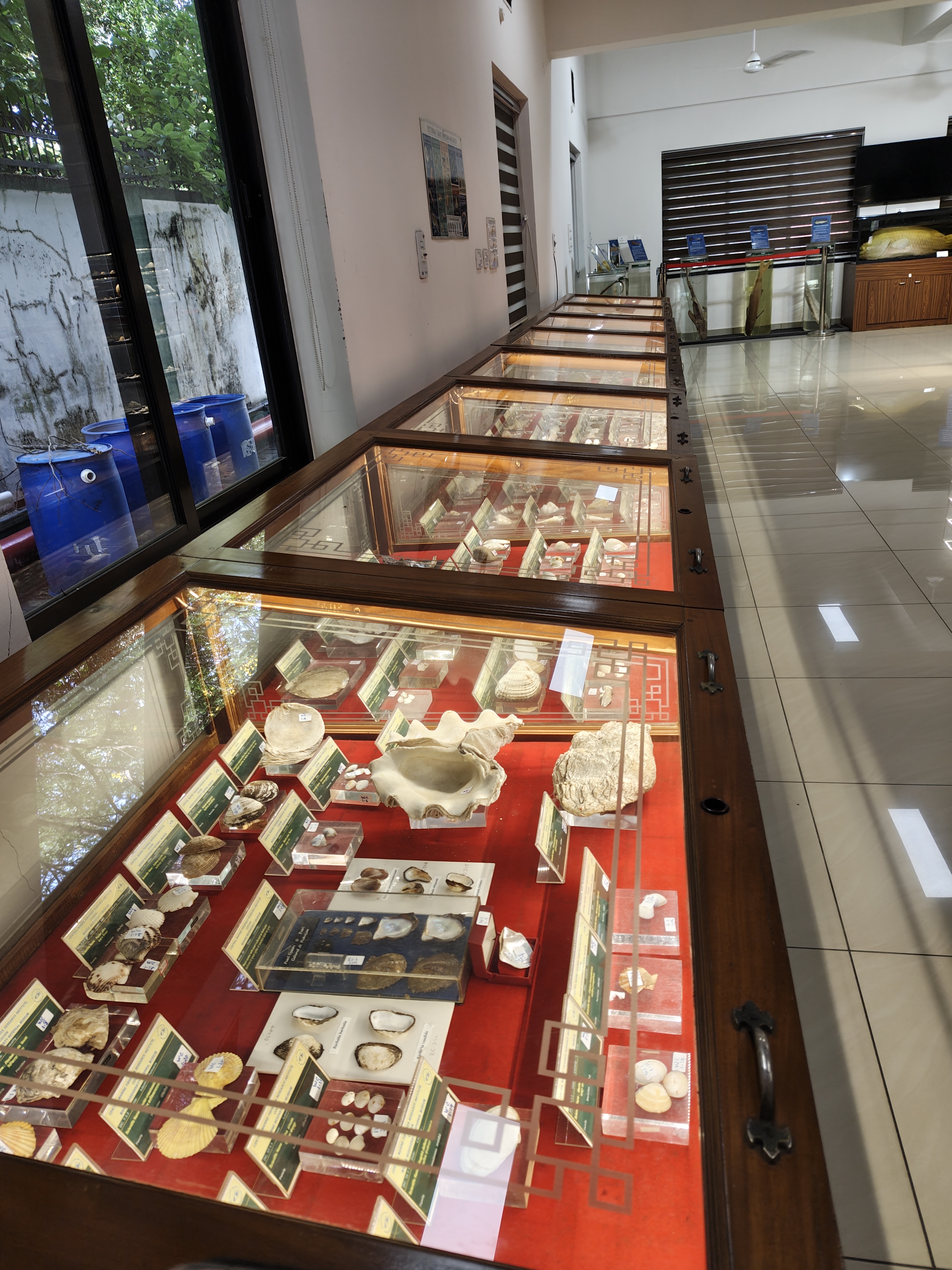
Today, the collection stands as a vibrant testament to decades of dedication, exhibiting an impressive total of 2,790 specimens collected predominantly from estuaries and deeper coastal waters. Neatly arranged for optimal scientific reference, the repository proudly features 212 highly invaluable holotype specimens—the very first scientifically described specimens of a newly discovered species. The wider array encompasses 631 molluscs, 263 crustaceans, 162 corals, 1240 distinct finfish species, 82 seaweeds, 54 echinoderms, 20 ascidians, 12 sponges, and 8 sea grasses, beautifully complemented by a preserved dolphin and three remarkable Antarctic birds.
Museum Brochure
Download the official museum brochure for details about exhibits, visitor information, and highlights.
Download Brochure PDF